
"animal digestion"
600 article(s) found

A brief introduction to the treatment method of Grinding degree and Baking degree of Musk Maomao shit Coffee
After this digestion process, the coffee bean has a magical change, the flavor is unique, the taste is particularly mellow, which is incomparable to other coffee beans. In general, the production process of coffee beans is to remove the peel, pulp and sheep skin of the coffee fruit after the sun, and finally take out the coffee beans. On the other hand, Luwak's digestive system destroys the protein in coffee beans, thus reducing the bitterness of coffee and increasing its bitterness.

High quality and rare coffee treatment: in vivo fermentation of animals
Professional barista communication Please pay attention to the coffee workshop (Wechat official account cafe_style) Indonesia Sumatra Kopi Luwak Kopi Luwak boutique coffee when buying coffee beans, you can often see marked sun, washing or honey treatment, what does it mean? In fact, this represents the treatment of raw coffee beans. Different coffee producing areas, due to the influence of weather, climate, resources, etc.

Civet boutique coffee bean flavor taste manor production area introduction to Indonesian civet coffee
The civet likes to choose the most ripe, sweet, juicy coffee fruit in the coffee tree as food. The coffee fruit passes through its digestive system, and only the pulp on the outside of the fruit is digested, and the hard coffee beans are then excreted intact by the civet's digestive system. In this way, in the process of digestion, there are unparalleled magical changes in the flavor of coffee beans.

Guide to the baking curve of cat poop coffee beans description of taste and flavor of cat poop coffee beans treated by different methods
Professional coffee knowledge exchange more information about coffee beans Please follow the coffee workshop (Wechat official account cafe_style) has a big relationship with the coffee production history in Indonesia. In the early 18th century, the Dutch established coffee plantations in their colonies, Sumatra and Java, in the Dutch East Indies, bringing Arabica beans into Yemen as a profitable economic product. 1830

The secret behind the world's most expensive coffee
In the earliest days, civet droppings were collected from the wild and mixed with partially digested coffee beans. Gradually, more and more civets were confined to crowded, unsanitary cages on coffee plantations. Photograph: ULET IFANSASTI, GETTY IMAGES Wildlife Conservation Research Centre, University of Oxford and World Conservation Society, a London-based non-profit organisation

The characteristics of exquisite Kopi Luwak the price of delicious death wish coffee
1. After Indonesians remove the silver-gray film on the appearance of coffee beans, wash them with water, dry them in the sun, and then stir-fry them, they become cat shit coffee beans. 2. Only about 150 grams of coffee beans can be extracted from a jin of civets' feces, which will cause 20% loss in the baking process. Due to the unique raw materials and processing technology, this kind of coffee can be said to be very rare and supplied every year.
The characteristics of exquisite civet coffee the origin of Kopi Luwak the practice of civet coffee
Kopi Luwak is made in Indonesia. In the early 18th century, the Dutch established coffee plantations in the Indonesian colonies of Sumatra and Java, and banned locals from picking and eating their own coffee fruits. Indonesian locals inadvertently found that civets love to eat these coffee fruits and will drain the beans intact when defecating. The civet can only pick the most familiar.

Rich and strong Indonesian Kopi Luwak civet flavor description baking degree recording taste treatment manor
Kopi Luwak, produced in Indonesia, is one of the most expensive coffee in the world. Indonesia grows a lot of coffee crops, including wild animals called civets, omnivores, pointed mouths and dark gray fur. The favorite food is fresh coffee beans, which are fermented and digested in the body and eventually excreted by cats. Feces are just grains of coffee beans.
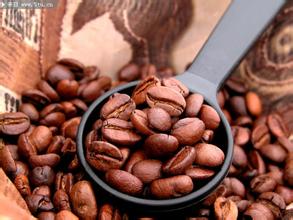
Fine Coffee Cat Poop Coffee Manor Cat Poop Coffee Origin Sumatra
Cat poop coffee, Indonesia. In the early 18th century, the Dutch established coffee plantations in the Indonesian colonies of Sumatra and Java, and prohibited the locals from picking and eating their own coffee fruits. Indonesian locals accidentally discovered that civet cats love to eat these coffee fruits and will expel the beans intact when defecating. Civets only pick the best.
Civet Coffee beans introduce civet Coffee Price death wish Coffee Man shit Coffee Blue Mountain Coffee
Kopi Luwak is made in Indonesia. In the early 18th century, the Dutch established coffee plantations in the Indonesian colonies of Sumatra and Java, and banned locals from picking and eating their own coffee fruits. Indonesian locals inadvertently found that civets love to eat these coffee fruits and will drain the beans intact when defecating. The civet can only pick the most familiar.

An introduction to the manor in Indonesia, the largest coffee producing country in the world.
In Indonesian, Kopi means coffee, and Luwak is the name of the civet commonly known in Indonesia. It is said that the coffee produces no more than 500 pounds a year, and the price per pound ranges from $300 to $800, depending on the year, because there is not a fixed production every year. In the international market, Luwak coffee has always been a veritable luxury, the most important

Indonesian Sumatra Coffee Flavor and Taste introduction to Rasuna Wahana Manor
In Indonesian, Kopi means coffee, and Luwak is the name of the civet commonly known in Indonesia. It is said that the coffee produces no more than 500 pounds a year, and the price per pound ranges from $300 to $800, depending on the year, because there is not a fixed production every year. In the international market, Luwak coffee has always been a veritable luxury, the most important
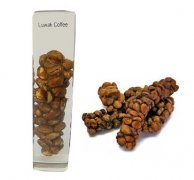
Introduction to boutique coffee-- Musk Coffee Coffee Musk Coffee
Kopi Luwak is produced by the feces of Indonesian coconut cats (a kind of civet) as raw materials, so it is called Kopi Luwak. This kind of animal mainly feeds on coffee beans. After completing fermentation in the coconut cat's stomach, it destroys proteins, produces short peptides and more free amino acids, reduces the bitterness of coffee, and then excretes feces as the main raw material. Because coffee beans cannot be digested, they will be excreted.
The principle of Kopi Luwak
Civet coffee: civet coffee (Kopi Luwak), Kopi (Indonesian, coffee), Luwak refers to a kind of arboreal wild animal commonly known as civet in Indonesia. Civet coffee is the most expensive coffee in the world, with a price of several hundred dollars per pound. It is extracted from the civet's feces and processed. The civet eats the ripe coffee fruit and discharges it through the digestive system.
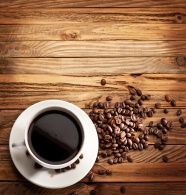
Introduction to the Origin of civet Coffee the characteristics of civet coffee
Muscat coffee (Kopi Luwak), Kopi (Indonesian, coffee), Luwak refers to a kind of arboreal wild animal commonly known as civet in Indonesia. In Sumatra, Indonesia, locals call civets Musang rather than the commonly used Luwak,Kopi Musang is civet coffee, commonly known as Kopi Luwak. From "Coffee Fine Science"

Introduction to the flavor and taste of Indonesian musk cat coffee
The male of the cat has a pair of well-developed cystic aromatic glands near the perineum under the anus, and the male opens a pear-shaped sachet between the testis and the penis. There is a longitudinal crest in the front of the inner wall and 3-4 folds on both sides. There are two deep and large depressions on each side, with short hairs on the inner wall; the sachet opened by the female is mostly square, and there is only one in the middle of the inner wall.

Description of the flavor and taste of civet coffee introduction to the characteristics of high-quality coffee beans
The civet likes to choose the most ripe, sweet, juicy coffee fruit in the coffee tree as food. The coffee fruit passes through its digestive system, and only the pulp on the outside of the fruit is digested, and the hard coffee beans are then excreted intact by the civet's digestive system. In this way, in the process of digestion, there are unparalleled magical changes in the flavor of coffee beans.

Kopi Luwak civet coffee boutique coffee beans introduce unique flavor mellow taste
Kopi Luwak is produced by the feces of Indonesian coconut cats (a kind of civet) as raw materials, so it is called Kopi Luwak. This kind of animal mainly feeds on coffee beans. After completing fermentation in the coconut cat's stomach, it destroys proteins, produces short peptides and more free amino acids, reduces the bitterness of coffee, and then excretes feces as the main raw material. Because coffee beans cannot be digested, they will be
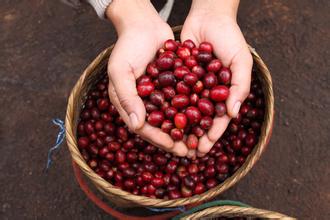
The origin of cat poop coffee beans fine coffee
Kopi Luwak is made in Indonesia. In the early 18th century, the Dutch established coffee plantations in the Indonesian colonies of Sumatra and Java, and banned locals from picking and eating their own coffee fruits. Indonesian locals inadvertently found that civets love to eat these coffee fruits and will drain the beans intact when defecating. The civet can only pick the most familiar.

Introduction to the characteristics of Indonesian boutique coffee civet coffee flavor and taste manor area
The male of the cat has a pair of well-developed cystic aromatic glands near the perineum under the anus, and the male opens a pear-shaped sachet between the testis and the penis. There is a longitudinal crest in the front of the inner wall and 3-4 folds on both sides. There are two deep and large depressions on each side, with short hairs on the inner wall; the sachet opened by the female is mostly square, and there is only one in the middle of the inner wall.